Pellet Grill vs. Charcoal Grill: Which Is Right for Your Backyard?
If you’re shopping for a new grill, you’ve probably run into the big question: pellet grill or charcoal grill? Walk into any backyard cookout and you’ll find fans of both, and each side has good reasons.
Here’s the short answer: neither one is better for everyone. The right pick depends on how you like to cook, how much time you want to spend tending the fire, and what you want to taste. We carry both at Gary’s BBQ Supplies, so let’s walk through the real differences and help you choose.
How Pellet Grills and Charcoal Grills Cook
The two styles can look alike from the outside, but they work very differently. Once you understand how each one makes heat, the rest of the comparison gets much easier.
How a pellet grill works
A pellet grill burns small hardwood pellets. You fill a hopper, set your temperature on a digital controller, and an electric auger feeds pellets to the fire as needed. The controller handles the steady work of holding your heat. Yoder’s pellet grills come with a control system that includes two built-in food probes, so you can keep an eye on your meat without lifting the lid. Cooking space runs from 800 to 1,070 square inches, depending on the model. Because the fuel is real hardwood, you can switch between woods like hickory and cherry to change the flavor from one cook to the next. That variety is a big part of the appeal.
How a charcoal grill works
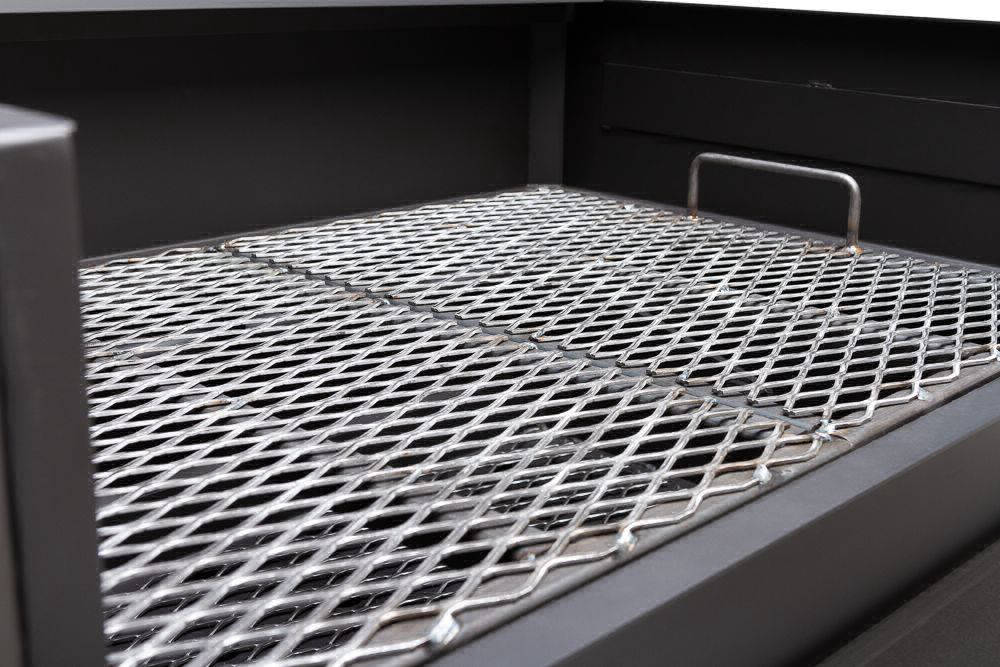
A charcoal grill is hands-on. You light the charcoal, spread it out, and manage the heat yourself with the vents and the amount of fuel. On our large-format Yoder charcoal cookers, a variable-height charcoal basket lets you move the fire closer to or farther from the food. You can also set the grill up to cook indirectly, and a front shelf gives you room to work. The trade-off is simple: you get more control, but you have to use it.
Flavor, Heat, and Effort: How They Compare
Most buyers end up weighing the same handful of things. Here is how the two stack up:
- Effort: Pellet grills are close to “set it and check on it.” Charcoal needs lighting, vent adjustments, and fuel top-offs on long cooks.
- Flavor: Charcoal gives a bold, classic fire-cooked taste. Pellet grills give a cleaner, milder wood smoke, and the pellet you choose changes the flavor.
- Searing heat: Charcoal usually runs hotter, which is great for steaks. Many pellet grills top out around 500°F, though some models go higher.
- Long, low-and-slow cooks: Pellet grills hold steady temperatures for hours with little babysitting. Charcoal can do it too, but it takes more attention.
- Power and weather: Pellet grills need an electrical outlet. Charcoal works anywhere, though wind and cold mean more tending.
One thing stays the same no matter which grill you pick: use a food thermometer. The USDA’s safe minimum internal temperature chart calls for 165°F for all poultry, and 145°F plus a three-minute rest for beef and pork steaks, chops, and roasts. Built-in probes make this easy on a pellet grill, and a good handheld thermometer does the job on a charcoal grill.
What to Expect for Cost, Space, and Cleanup
Fuel is your first ongoing cost. A pellet grill uses wood pellets and a little electricity. A charcoal grill uses charcoal and nothing else. Which one costs less per cook depends on how long you cook and which fuel you buy. If you go with pellets, our smoking pellets are 100% hardwood with no oak or alder filler, and they come in 40 lb bags. Cherry, hickory, and blended flavors make it easy to change up the taste.
Upfront price is the next question. Pricing on our Yoder cookers can change, so call us for current numbers instead of relying on a figure you saw online. Either way, think of a grill as a long-term purchase and shop for the cooking style you will actually use.
Space and cleanup matter too. A pellet grill needs an outlet nearby and a dry spot to store pellets, since moisture ruins them. It leaves a small amount of ash and some grease to clear out. Charcoal leaves more ash to deal with, and fire safety matters here. The National Fire Protection Association says to let coals cool completely before disposing of them in a metal container, and to never leave a grill unattended while it’s in use.
Which One Should You Buy?
There is no wrong answer, only a better fit. Here is how we usually help people decide.
A pellet grill is a good fit if…
You want steady, low-stress cooking. If you smoke brisket, ribs, or a turkey and don’t want to babysit the fire, a pellet grill is hard to beat. It also suits cooks who like to set a temperature, drop in a probe, and spend the afternoon with guests instead of standing at the grill.
A charcoal grill is a good fit if…
You love the hands-on part of cooking over fire, or you want serious searing heat for steaks. Charcoal is also a strong choice when you’re cooking for a crowd. Our larger Yoder charcoal grills, including the 36″ and 48″ models on competition carts, give you a big, flat cooking surface, and the Abilene 20″ offers 750 square inches. Plenty of backyard cooks end up with both: a pellet grill for long smokes and a charcoal grill for fast, hot cooks.
Still not sure? Come see them side by side. Stop by one of our locations or call us at (360) 223-1009 to talk through how you cook, and we’ll point you to the right model. Availability changes, so it’s worth calling to confirm what’s on hand. You can also browse our pellet grills and charcoal cookers online, or contact us with any questions.